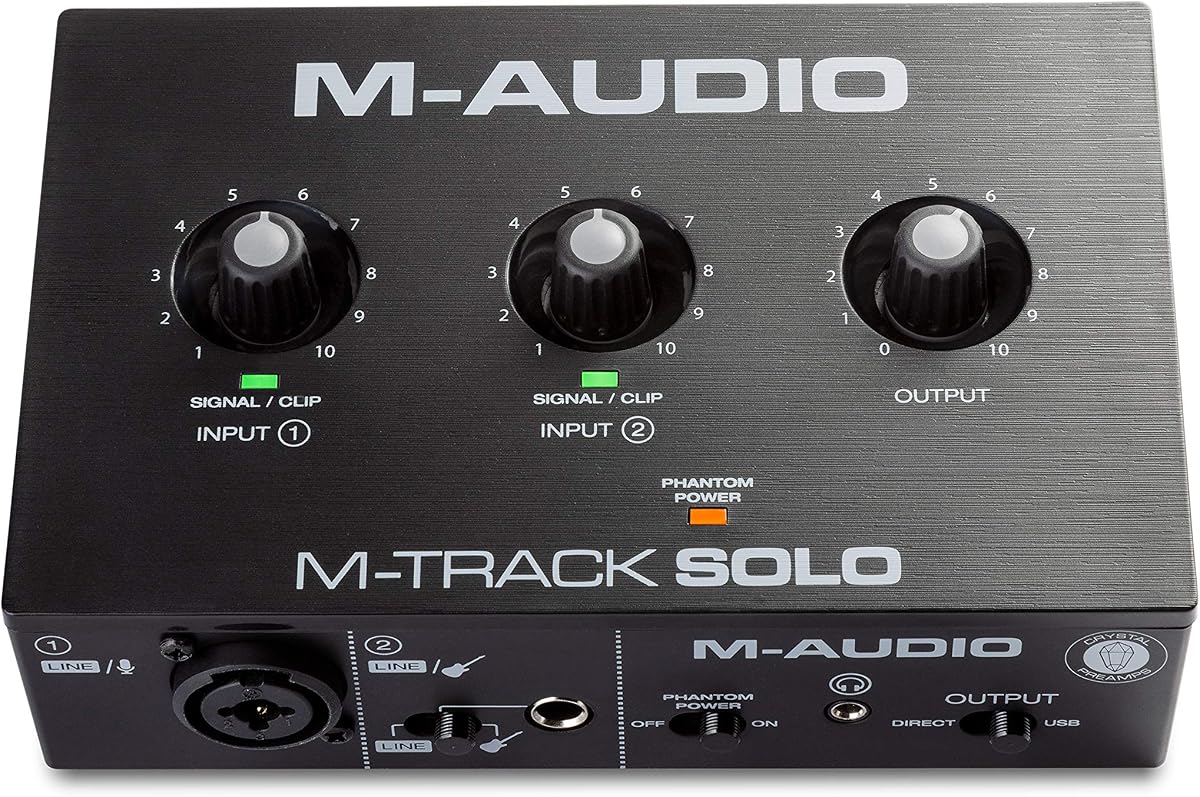
M-AUDIO M-Track Solo USB Audio Interface
4.3Editor score
Crystal Preamp for clear vocals
USB/Direct switch for monitoring
Includes MPC Beats software
This guide compares the top 10 guitar to Mac interfaces for recording, live performance, and streaming based on sound quality, compatibility, and value.
Finding the right interface to connect your guitar to a Mac is essential for high-quality recording and live streaming. These devices convert analog signals into digital audio that your computer can process.
We evaluated ten leading models based on audio fidelity, driver stability on macOS, input versatility, and included software bundles. Our goal is to help you find the perfect match for your studio or mobile setup.
Each pick highlights specific strengths like low latency monitoring or robust preamps. Please note that prices fluctuate frequently on retailer sites, so verify current costs before purchasing your next interface.
4.3Editor score
4.6Editor score

4.6Editor score
The following table provides a side-by-side comparison of the top ranked interfaces to help you evaluate key specifications and features quickly.



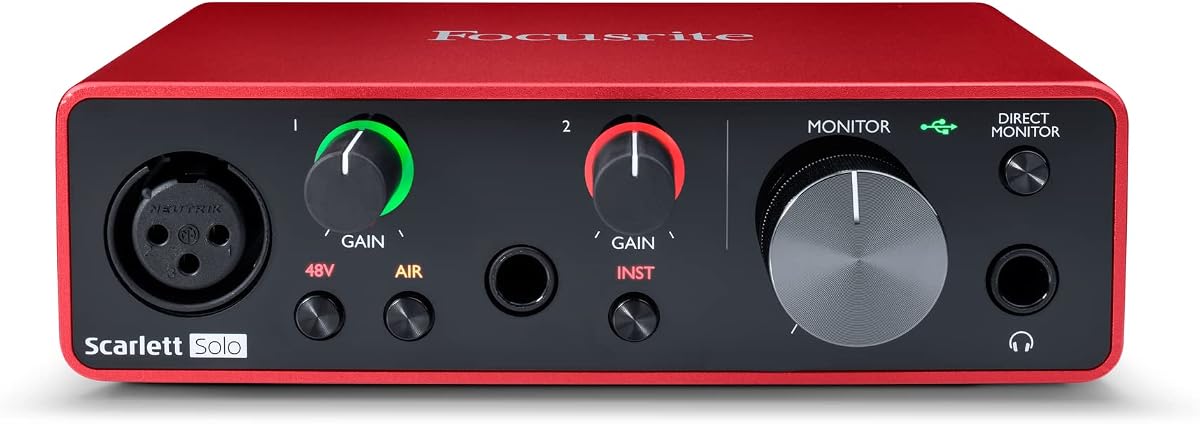
The Focusrite Scarlett Solo 3rd Gen stands out as a top choice for connecting guitars to Mac systems. It boasts a 4.6 rating from users who praise its clean conversion and robust preamps.
We may earn a commission when you buy through this link, at no additional cost to you.
Its high-performance pre-amps with switchable Air mode add clarity to acoustic instruments. The Gain Halos feature visually ensures you capture tracks without distortion or unwanted clipping.
While it lacks MIDI inputs, the included software suite like Ableton Live Lite and Pro Tools Intro+ makes it a complete starter kit for home studios.
This interface is ideal for solo musicians needing professional sound. Its reliable build and warranty make it a safe investment for serious recording.
Air mode adds brightness to recordings, making acoustic guitars and vocals stand out in a mix without equalization.
Gain Halos provide real-time visual feedback on input levels, ensuring you never miss a take due to clipping.
We may earn a commission when you buy through this link, at no additional cost to you.
The M-AUDIO M-Track Duo is a versatile interface designed for podcasting, recording, and live streaming. It offers two combo inputs allowing simultaneous recording of vocals and guitar.
We may earn a commission when you buy through this link, at no additional cost to you.
Its Crystal Preamps ensure optimal sound quality for condenser microphones. The USB/Direct switch allows for zero latency monitoring which is crucial for live performance.
Although it uses USB-A rather than USB-C, its stability and inclusion of MPC Beats make it a strong contender for entry-level producers.
This model is perfect for creators who need to record multiple sources at once without investing in high-end studio gear.
Two combo inputs allow you to connect microphones and instruments simultaneously, expanding your recording possibilities.
MPC Beats software provides a production experience with tools for arranging and mixing right out of the box.
We may earn a commission when you buy through this link, at no additional cost to you.
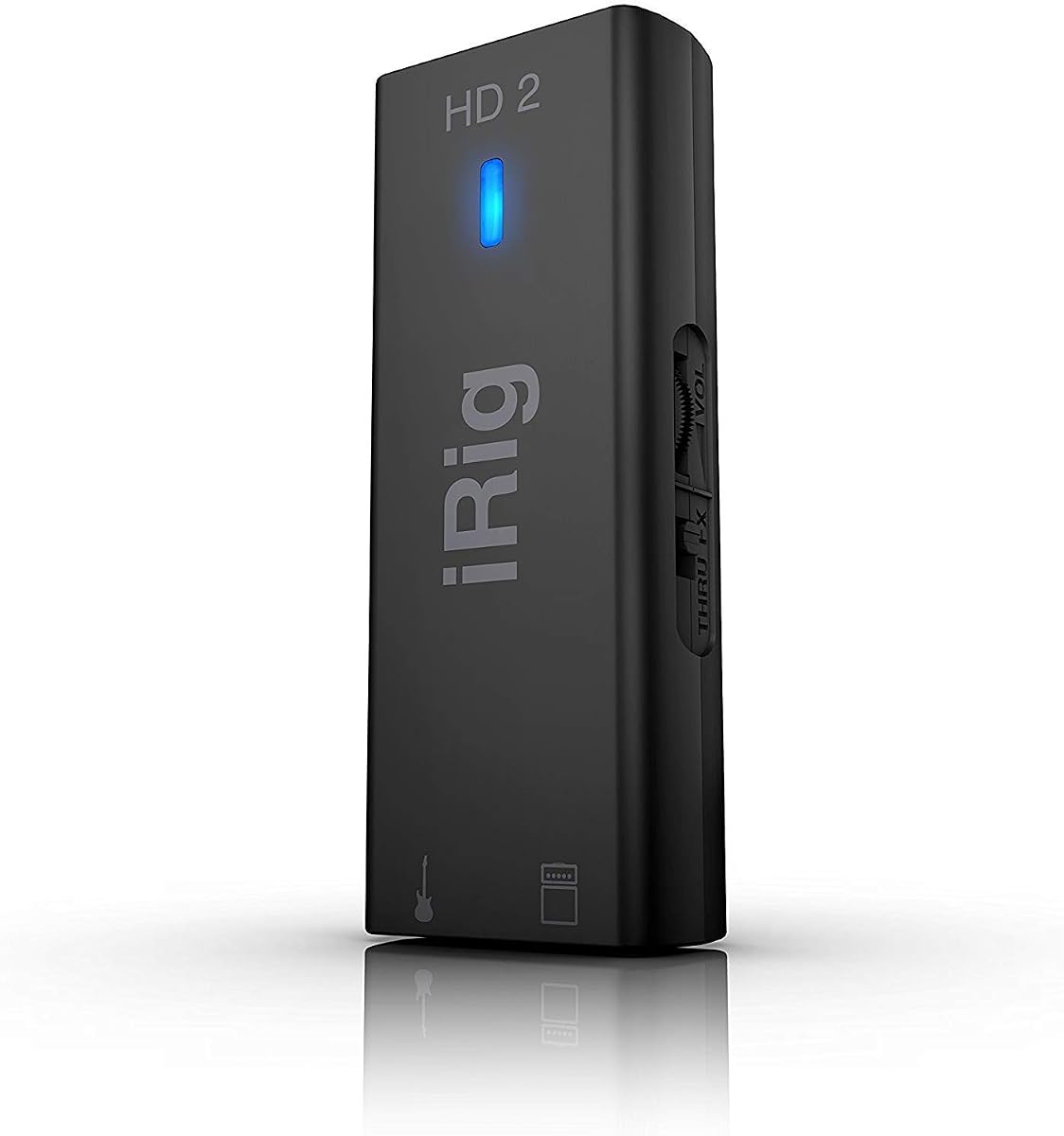
The IK Multimedia iRig HD 2 is renowned for its 96kHz sampling rate, delivering high-definition digital recording. It connects seamlessly via USB-C or Lightning for Mac and mobile devices.
We may earn a commission when you buy through this link, at no additional cost to you.
The Amp Out jack allows you to bypass effects and use your analog amp directly while recording digitally. This hybrid functionality is rare in compact interfaces.
Despite its small size, it includes features like a mic stand mount and level control for headphone monitoring. It is excellent for practice and demo recording.
Mobile musicians will find this device indispensable for capturing ideas on the go with studio quality sound.
The Amp Out jack lets you use your own analog pedals while still recording a clean digital signal.
At 96kHz it captures more detail than standard 48kHz interfaces which helps with high-fidelity recording.
We may earn a commission when you buy through this link, at no additional cost to you.
The JOYO MOMIX CAB is designed for ultimate portability. It fits in your pocket and provides direct monitoring with zero latency for recording.
We may earn a commission when you buy through this link, at no additional cost to you.
You do not need any batteries or drivers. It simply plugs into your USB-C or Lightning port allowing you to start recording instantly.
While it lacks amp output, it is perfect for capturing dry tracks for later processing. The signal indicator helps avoid distortion levels.
This device is ideal for buskers or travelers who need to capture song ideas quickly without carrying heavy gear.
Direct monitoring ensures you hear your guitar instantly in your headphones while recording on the phone.
The back clip design lets you attach it to your belt or strap keeping your hands free for playing.
We may earn a commission when you buy through this link, at no additional cost to you.
The PIYONE interface offers 24-bit/192kHz fidelity which is rare at this price point. It uses a USB-C port for class compliant operation on Mac.
We may earn a commission when you buy through this link, at no additional cost to you.
It features a loopback function which is essential for streamers who want to mix game audio with their voice and guitar.
The illuminated LED rings on the knobs make it easy to see settings in a dark studio. Phantom power allows use of condenser mics.
This is a strong option for creators who need high resolution audio and modern connectivity without a premium price tag.
Loopback allows you to route system audio back to the computer for easier live streaming setup.
USB-C class compliance means no drivers are required ensuring stability across different Mac models.
We may earn a commission when you buy through this link, at no additional cost to you.
The Motu M2 uses ESS Sabre32 Ultra DAC technology which is found in much more expensive units. It measures a 120 dB dynamic range on outputs.
We may earn a commission when you buy through this link, at no additional cost to you.
It delivers low noise inputs with -129 dBu EIN. The included XLR cable adds value and convenience right out of the box.
Although it does not include recording software, the sound quality is professional grade. It is excellent for mixing and mastering tasks.
Investors in serious home studios will appreciate the clarity and depth this interface provides for critical listening.
ESS Sabre32 Ultra DAC ensures your audio playback is incredibly detailed and free from digital artifacts.
120 dB dynamic range allows for capturing loud and quiet signals simultaneously without noise.
We may earn a commission when you buy through this link, at no additional cost to you.
The PreSonus Quantum ES 2 features instrument inputs co-developed with Fender engineers specifically for guitars. This ensures optimal tone capture.
We may earn a commission when you buy through this link, at no additional cost to you.
It includes a perpetual license for Studio One Pro which is a powerful DAW for mixing and mastering. The Auto Gain button sets perfect levels instantly.
The Universal Control app allows remote control of preamps and phantom power. This is great for workflow efficiency.
Guitarists looking for a seamless hardware and software experience will find this interface highly rewarding.
Instrument inputs tuned by Fender engineers preserve the true character of your electric guitar.
Studio One Pro provides a complete recording environment so you do not need to buy software separately.
We may earn a commission when you buy through this link, at no additional cost to you.
The Fender Quantum HD 2 supports 20 inputs and 24 outputs which is massive for multi-track recording. It features ADAT expansion for growing your studio.
We may earn a commission when you buy through this link, at no additional cost to you.
Re-amp outputs let you send recorded tracks back to real amps for new tones. The Fender Studio Pro suite is included.
It includes a perpetual license for Fender Studio Pro which covers recording mixing and mastering. This is a full production ecosystem.
This is best for professional studios that need expandability and advanced routing options without buying extra hardware.
ADAT ports allow you to connect additional digital preamps if you need more than the base inputs.
Re-amp outputs let you experiment with amps after recording which opens up new creative options.
We may earn a commission when you buy through this link, at no additional cost to you.
The M-AUDIO M-Track Solo is one of the most affordable ways to start recording. It features a Crystal Preamp for clear vocal and instrument capture.
We may earn a commission when you buy through this link, at no additional cost to you.
It includes RCA outputs for connecting to speakers without needing XLR cables. The USB/Direct switch ensures zero latency monitoring.
MPC Beats software is bundled for production tasks. It is simple and easy to set up for beginners.
Budget conscious users will find this a reliable option to start recording without breaking the bank.
The Crystal Preamp ensures your recordings are transparent and free from noise or hiss.
MPC Beats software gives you a platform to produce tracks beyond just simple recording.
We may earn a commission when you buy through this link, at no additional cost to you.
The IK Multimedia iRig USB offers simple 24-bit 48kHz recording. It connects via USB-C which is now standard on most new Macs.
We may earn a commission when you buy through this link, at no additional cost to you.
It includes a suite of recording software to jumpstart your journey. The Amp out allows you to route to external gear easily.
Direct monitoring helps you hear your track without delay. It is durable enough for regular use.
This is a great option for casual players who want a straightforward connection without technical hassle.
The included USB-C cable ensures you can plug into modern Macs without extra adapters.
A complete suite of plugins allows you to start producing immediately after unboxing.
We may earn a commission when you buy through this link, at no additional cost to you.
Selecting the right interface depends on your workflow and budget. We have analyzed the key factors to consider.
Ensure the interface supports USB-C if you are on a newer Mac. USB-A interfaces require adapters which can be a hassle.
Look for class compliant devices that do not need drivers to ensure stability with macOS.
You need at least one high impedance instrument input for electric guitars. Some interfaces offer combo XLR inputs for mics too.
Decide if you need multiple inputs for recording vocals and instruments simultaneously or just a single track.
Standard is 48kHz but 192kHz offers higher resolution for detailed production. Higher rates use more CPU power so check your Mac specs.
24-bit depth is standard for most recording needs to capture dynamic range without noise.
Low latency monitoring is critical for playing along with backing tracks. Look for a direct monitoring switch.
If you use amp sims, software latency must be low. Interfaces with DSP often handle this better.
Many interfaces include DAW licenses like Ableton Live Lite or Studio One. This saves money on software.
Check if the software integrates well with your workflow and supports your plugins.
Metal casing is preferred over plastic for protecting the gear during travel. Knobs should feel sturdy when turned.
Consider warranty length and support options from the manufacturer for long term peace of mind.
If you move around a lot choose a compact interface that fits in a backpack. Desktop units are stable but less mobile.
Bus powered devices are easier to use as they do not need external power supplies.
Set a realistic budget based on your needs. Budget models cover basics while premium models offer better conversion.
Consider the total cost including any extra cables or adapters you might need to buy separately.
First connect the interface to your Mac via the provided USB or USB-C cable. Ensure the connection is secure before powering it on.
Second configure your Mac audio settings to recognize the interface. Select it as the output and input device in your sound preferences.
Third always check your gain levels before recording to avoid clipping. If using direct monitoring turn the headphone volume to a comfortable level.
Most modern Macs use USB-C so you will need a USB-C cable. Some older models may need a USB-A to C adapter. Always check the interface inputs and your Mac ports.
Yes most interfaces work seamlessly with GarageBand since it is built into macOS. You just need to select the interface as the audio device in the preferences.
Most portable interfaces are bus powered meaning they draw power from your Mac via USB. Larger studio units might need a separate power supply.
USB-C is faster and reversible while USB-A is older. USB-C interfaces often provide better data transfer and charging capabilities for modern Macs.
Use direct monitoring if available or use an audio interface with low latency drivers. Also ensure your buffer size in your DAW is small enough.
No phantom power is used for condenser microphones. Electric guitars do not need it but you can leave it on without issue.
We reviewed ten top interfaces including the Focusrite Scarlett Solo and Motu M2 for their excellent performance and features.
Prioritize your specific needs like input count or portability when choosing. A high-end unit might be overkill if you just record demos.
Check current prices and stock levels on retailer sites before buying as values fluctuate frequently for these products.