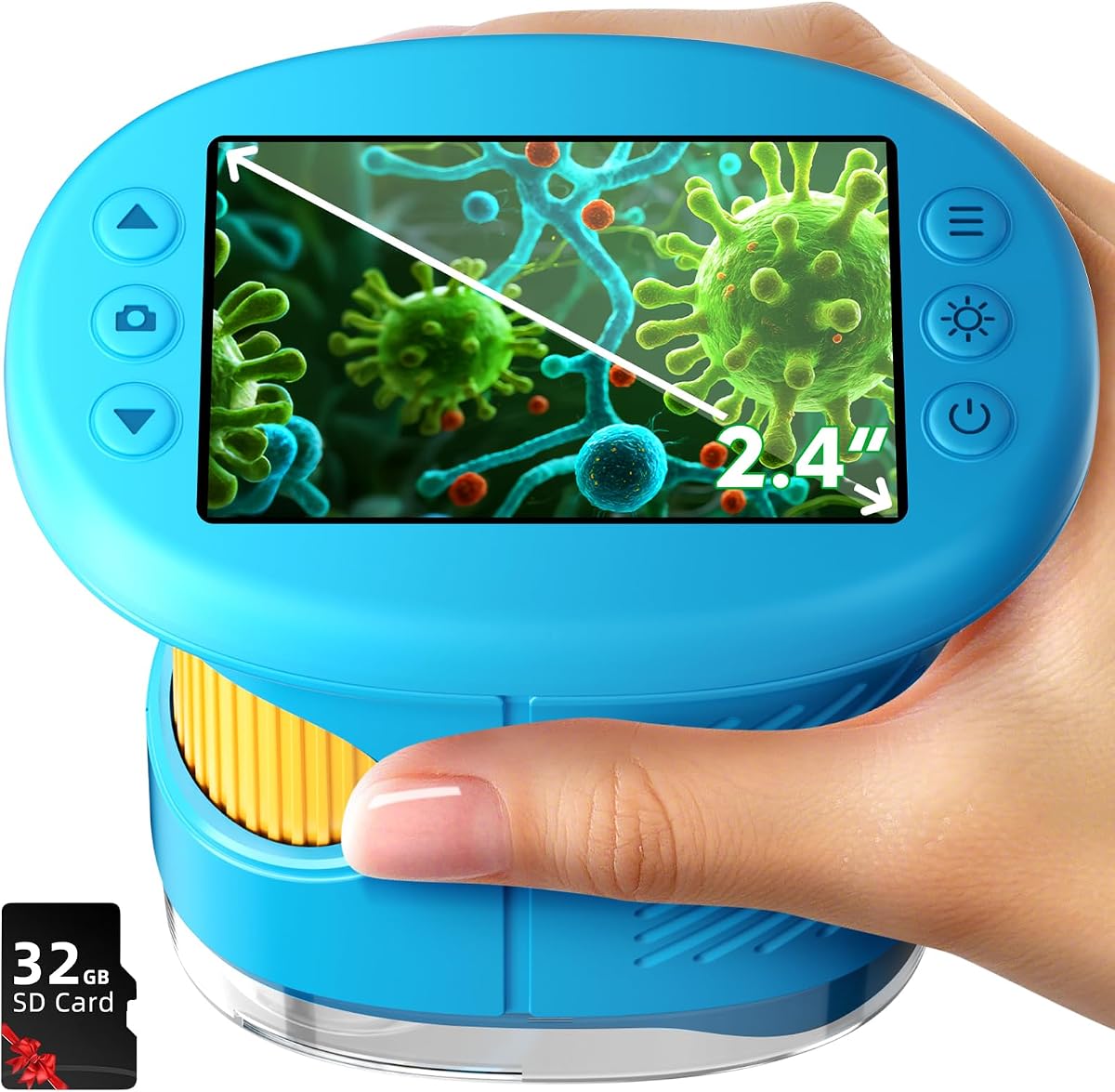
Odatay 4K 1000X Digital Microscope for Kids with 32G Card
4.5Editor score
4K HD camera and display
Includes 32GB TF card
Lightweight portable design
Exploring the tiny world of insects requires the right tools to see details invisible to the naked eye. Digital microscopes offer a modern solution for students, hobbyists, and educators wanting to examine bugs up close with clarity and ease.
We compared ten leading digital microscopes based on magnification power, screen quality, connectivity options, and durability. Each model was evaluated for its suitability for insect study, portability, and value to help you find the perfect fit for your needs.
Each pick below highlights key features, pros, and cons to guide your decision. Note that prices change frequently, so check current listings before purchasing to ensure you get the best deal for your budget and requirements.
4.5Editor score

4.5Editor score

4.4Editor score
As an Amazon Associate we earn from qualifying purchases.
This side-by-side comparison reviews all ten digital microscopes featured in this guide to help you understand their unique strengths and weaknesses for insect study.

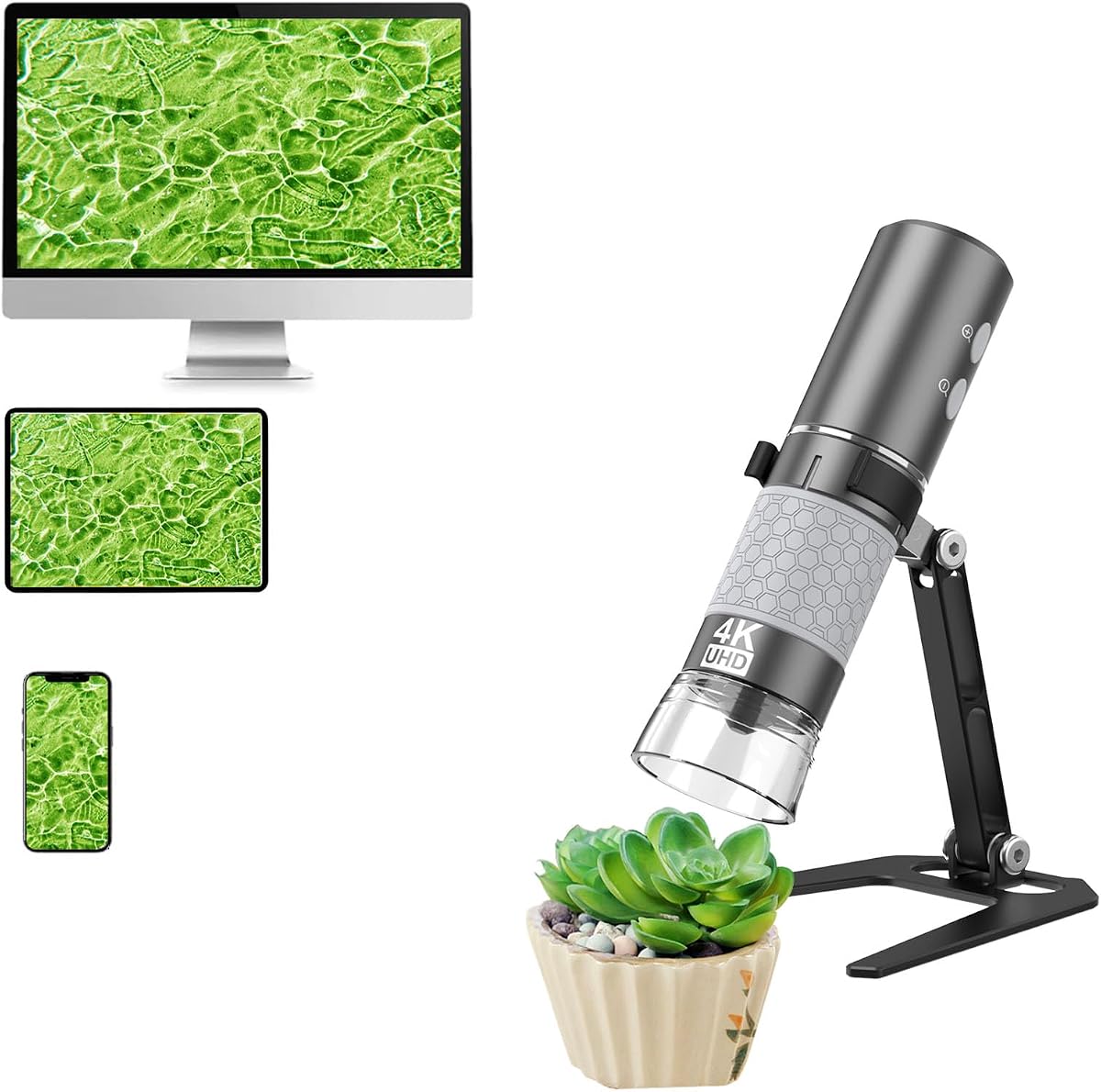

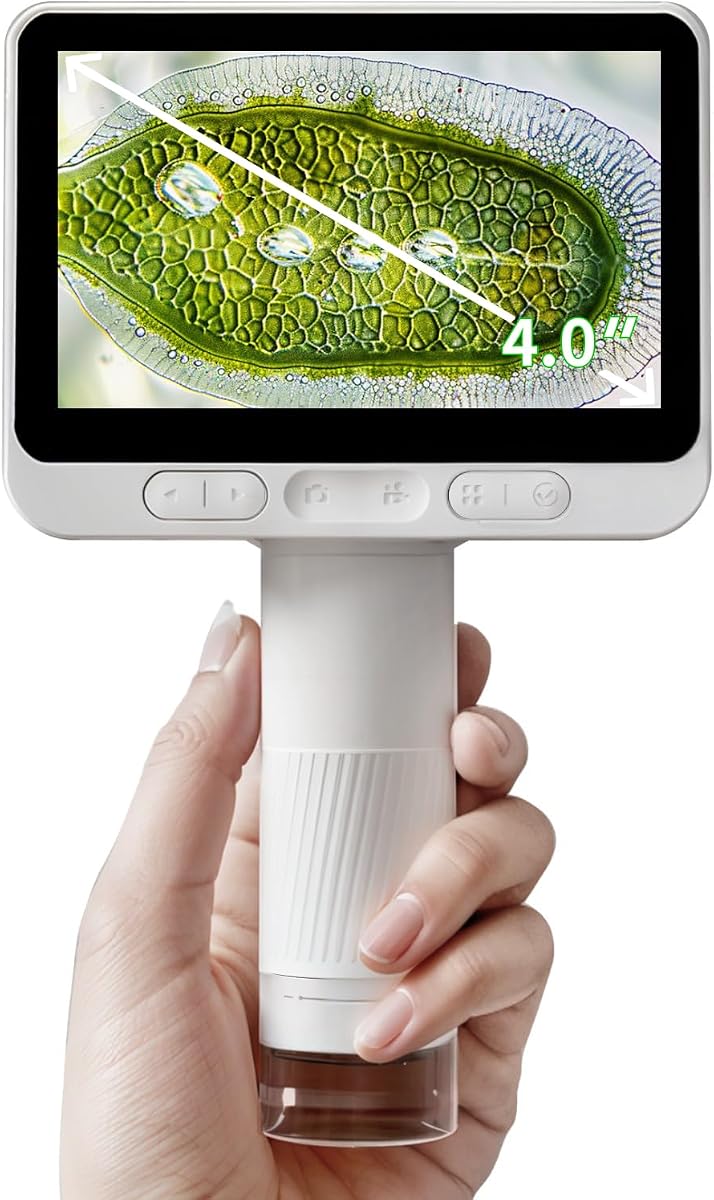


The Andonstar AD246S-M stands out as the top choice for serious insect study with its 2160P UHD video recording and 2000X magnification. It offers a professional experience suitable for adults and advanced students needing detailed biological analysis.
We may earn a commission when you buy through this link, at no additional cost to you.
Its three interchangeable lenses cover various needs from biological slides to coin inspection. The HDMI output allows for large screen viewing which is ideal for classroom demonstrations or collaborative analysis with peers.
While not portable due to its size, the metal stand ensures stability during high-magnification work. The included measurement software adds significant value for scientific documentation and precise specimen analysis.
This microscope is best for users prioritizing image quality and versatility over portability. It delivers reliable performance for detailed insect anatomy studies and educational settings requiring high-resolution visuals.
The 2160P video recording ensures every detail of insect structures is captured with exceptional clarity for study and sharing.
Multiple lenses allow you to switch between broad views of whole insects and close-ups of specific biological features seamlessly.
We may earn a commission when you buy through this link, at no additional cost to you.
The Odatay 4K Digital Microscope offers exceptional value with its portable design and built-in screen for instant viewing. It is perfect for young explorers wanting to investigate insects in the backyard or classroom.
We may earn a commission when you buy through this link, at no additional cost to you.
Its 200X to 1000X magnification range reveals fine details like wing patterns and leg structures clearly. The included 32GB card ensures ample space for storing photos and videos of your discoveries.
While not designed for professional labs, it handles casual insect study well. The lightweight build and protective case make it durable for active use by children and students.
Ideal for beginners and families seeking an affordable entry into digital microscopy. It balances cost with functionality to encourage curiosity about insects without a major investment.
Simple controls and a built-in screen let children explore insects independently without needing computer connections or complicated setup.
Its compact size and carrying case make it easy to take on field trips to observe insects in their natural habitats.
We may earn a commission when you buy through this link, at no additional cost to you.
The Elikliv EM4K-AF delivers premium features with its auto-focus system and 4K UHD video recording. It is designed for users who want top-tier image clarity and convenience during insect observation sessions.
We may earn a commission when you buy through this link, at no additional cost to you.
The large 8-inch IPS screen provides immersive viewing with vibrant colors and sharp details. Its built-in battery allows for extended use without being tethered to a power outlet.
While its weight and size limit portability, the stand and outputs support lab or classroom setups. The smart controller simplifies navigation and capture for efficient documentation.
Best for professionals or enthusiasts who prioritize image quality and ease of use. The auto-focus feature reduces manual adjustments to keep focus on the insect specimen itself.
Auto-focus technology ensures sharp images of moving insects without manual tweaking, allowing uninterrupted observation and recording.
The large screen makes viewing insect details comfortable for extended periods which is ideal for teaching or detailed analysis.
We may earn a commission when you buy through this link, at no additional cost to you.
The Skybasic Wireless Digital Microscope excels with flexible connectivity for both mobile and desktop devices. It is a practical choice for users wanting to share insect observations via smartphones.
We may earn a commission when you buy through this link, at no additional cost to you.
Its 50X to 1000X magnification covers basic insect study needs effectively. The adjustable LED lights help illuminate specimens in low-light environments for clearer viewing.
The fixed focus design means you must maintain the right distance from the subject. This can take practice but simplifies use for beginners learning microscopy basics.
Suitable for casual students and hobbyists who value wireless sharing. It offers good versatility at a reasonable price point for exploring insect anatomy.
WiFi connectivity allows instant viewing on phones which makes sharing insect discoveries with peers quick and easy.
Multiple LED settings ensure specimens are well-lit for detailed examination in any environment including outdoors.
We may earn a commission when you buy through this link, at no additional cost to you.
This WiFi Digital Microscope offers strong battery performance allowing extended field use without frequent recharging. It is suitable for outdoor insect exploration where power access is limited.
We may earn a commission when you buy through this link, at no additional cost to you.
Its 4K resolution support provides sharp images for capturing insect details like textures and patterns. The adjustable stand adds stability for stationary viewing sessions indoors.
The stand may wobble on uneven surfaces but the handheld mode compensates well. Compatibility across devices ensures you can use it with most existing tech.
Ideal for outdoor enthusiasts needing reliable power. It combines portability with good image quality for capturing insect life on the go.
Extended battery life ensures you can study insects for hours in the field without worrying about charging.
4K resolution delivers crisp visuals that highlight intricate insect features for better study and documentation.
We may earn a commission when you buy through this link, at no additional cost to you.
This 1000X Handheld Microscope is designed specifically for children with safety and ease of use in mind. It encourages young learners to explore insects with confidence and curiosity.
We may earn a commission when you buy through this link, at no additional cost to you.
The anti-shake design helps stabilize images during exploration which is vital for handheld use. Its durable rubber casing protects against drops common with active kids.
While manual focus requires practice it helps children learn basic microscopy skills. The bright IPS screen ensures clear viewing even in various lighting conditions.
Perfect for parents seeking educational STEM toys. It balances affordability with quality to make insect study accessible and engaging for young minds.
Made from safe materials with smooth edges so children can handle it without risk during insect exploration.
Anti-shake technology minimizes blur from shaky hands allowing clear views of insects during movement.
We may earn a commission when you buy through this link, at no additional cost to you.
The BEAVERLAB Finder features a large 4.0-inch screen that makes viewing insect details comfortable for kids. Its high magnification range allows for detailed studies of tiny structures.
We may earn a commission when you buy through this link, at no additional cost to you.
With 1080P video recording it captures motion and color effectively. The built-in hotspot simplifies transferring images to phones for quick sharing.
Its compact size fits easily in pockets for field trips but battery life may limit long sessions. The display quality is good for the price point.
Great for kids wanting a larger view without complex setup. It encourages sharing discoveries which enhances learning and social engagement in science.
The 4-inch screen provides a comfortable display for detailed insect observation without eye strain during study sessions.
Built-in hotspot lets kids easily upload photos to share with classmates or parents instantly.
We may earn a commission when you buy through this link, at no additional cost to you.
This lightweight 1000X Microscope is ideal for travel with its compact and durable design. It offers reliable magnification for insect study on field trips.
We may earn a commission when you buy through this link, at no additional cost to you.
USB-C charging and built-in storage add modern conveniences. Its long battery life supports extended outdoor exploration without interruption.
The small screen may require squinting but its portability makes up for this. It is a practical tool for quick observations anywhere.
Best for users prioritizing portability and battery life. It delivers solid performance for capturing and saving insect discoveries easily.
Lightweight construction ensures it can be carried on hikes or outdoor activities without adding bulk.
USB-C charging provides fast and universal power options for convenience during busy study days.
We may earn a commission when you buy through this link, at no additional cost to you.
This 4K WiFi Microscope offers unmatched compatibility with virtually any smart device. Its wide-angle lens helps capture entire insects for broader context.
We may earn a commission when you buy through this link, at no additional cost to you.
Users can switch between wireless and wired modes for flexibility. The 4K resolution ensures detailed images suitable for analysis and sharing.
App dependency may limit use in restricted networks but wired mode works well. Zoom controls vary by platform but overall functionality is robust.
Perfect for tech-savvy users needing broad compatibility. It provides high-quality imaging across platforms which is useful for collaborative insect study.
Works seamlessly across iOS Android and desktop systems ensuring everyone can use it regardless of device.
4K resolution captures fine insect textures and patterns that might otherwise be missed during observation.
We may earn a commission when you buy through this link, at no additional cost to you.
The Andonstar AD266S offers an impressive 5000X magnification range and five lenses for detailed biological work. Its X-Y stage allows precise specimen positioning for accurate observation.
We may earn a commission when you buy through this link, at no additional cost to you.
With 2160P video it captures high-fidelity insect anatomy. The multiple lenses cover everything from broad views to cellular-level detail.
Its complexity may overwhelm beginners but it excels for advanced users. The metal stand ensures stability during high-magnification studies.
Best for labs and professionals needing extreme magnification. It delivers lab-quality results for comprehensive insect research and documentation.
Up to 5000X magnification reveals cellular details enabling deep scientific study of insect structures.
X-Y stage allows precise movement to track and document specific areas of specimens accurately.
We may earn a commission when you buy through this link, at no additional cost to you.
Choosing the right digital microscope for insect study depends on your specific needs budget and intended use case.
Magnification determines how close you can see insect details. For basic study 1000X is sufficient while advanced anatomy may need higher levels.
Look for models offering adequate magnification without compromising image quality to ensure clear views.
Some microscopes connect via WiFi or USB to phones or computers. Choose based on whether you need portable viewing or desktop analysis.
Flexible connectivity ensures you can work in various settings without limitations on device compatibility.
Built-in screens allow instant viewing without external devices. Larger screens reduce eye strain during long observation sessions.
Prioritize high-resolution displays for accurate color and detail representation during insect study.
Handheld models are ideal for outdoor fieldwork while desktop types suit lab settings. Consider where you will use the microscope most.
Lightweight designs with durable cases ensure safe transport during insect exploration trips.
Long battery life supports extended field use without recharging interruptions. Some models offer USB charging for convenience.
Ensure sufficient battery capacity for your typical study duration to avoid losing observation time.
Simple controls and intuitive interfaces help users focus on specimens rather than setup. Features like auto-focus add convenience.
Choose models matching your skill level to maximize learning and minimize frustration during study.
Built-in storage or SD card slots allow saving photos and videos for later analysis. Check storage capacity limits.
Recording capability is crucial for tracking insect development over time and sharing discoveries.
Prices vary widely from affordable handheld units to premium lab models. Determine how much you are willing to invest.
Balance cost with needed features to get the best value for your specific insect study requirements.
Begin by placing the microscope on a stable surface or holding it steady. Position the insect specimen close to the lens within the focal range.
Adjust lighting settings to reduce glare and enhance contrast. Use the app or controls to focus and capture images or videos.
Clean lenses gently with soft cloth after use to avoid scratches. Store the device in a protective case when not in use.
Magnification between 100X and 1000X is ideal for most insect observations. Higher magnifications can be useful for detailed anatomy but may require more stability.
Yes, handheld models are portable enough for outdoor use. Ensure the device has battery power and protective casing for field conditions.
Not necessarily. Many models have built-in screens or connect to smartphones for standalone use without a computer.
Use a soft, lint-free microfiber cloth. Avoid harsh chemicals that could damage the lens coating.
Battery life varies from 2 to 4 hours depending on usage. Some models support USB charging during operation.
Yes, many models are designed for children with durable materials and simple controls. Adult supervision is recommended for younger users.
We reviewed ten excellent digital microscopes tailored for insect study ranging from budget-friendly options to professional models.
Prioritize magnification and portability based on where you plan to study insects to ensure satisfaction with your purchase.
Remember that prices fluctuate so check current listings to find the best deal on your chosen model.