
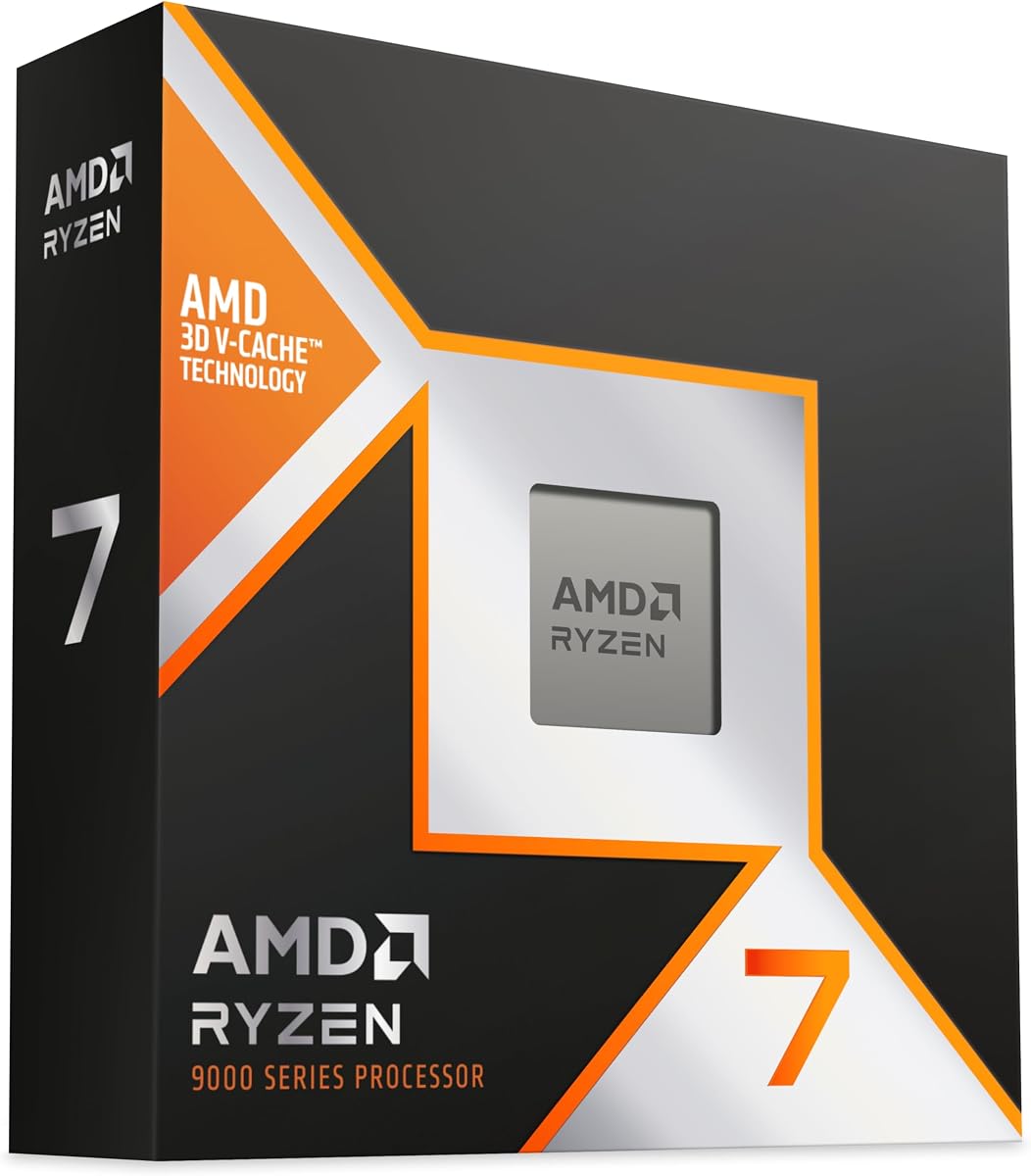
AMD Ryzen 7 7800X3D
4.8Editor score
8 cores and 16 threads
96 MB L3 cache
High power efficiency
Find the best Cpus for 3D Rendering with our expert guide comparing top AMD and Intel models for speed efficiency and professional workflow needs.
Choosing the right CPU for 3D rendering is critical for creators who demand speed and reliability. A powerful processor ensures complex scenes render quickly without bottlenecks.
We compared ten top models based on core count architecture and real world performance metrics. Our analysis focuses on value and suitability for different rendering workloads.
Each pick highlights specific strengths and ideal use cases for your setup. Note that prices and availability change frequently so check current listings before buying.
4.8Editor score

4.7Editor score

4.2Editor score
This side by side comparison outlines the key specifications and strengths of each processor to help you decide based on your specific rendering requirements and budget constraints.



The AMD Ryzen 9 9950X3D stands out as a top contender for 3D rendering tasks due to its impressive 16 cores and 32 threads. It boasts a max boost clock of up to 5.7 GHz ensuring fast processing times for complex scenes.
We may earn a commission when you buy through this link, at no additional cost to you.
Its Zen 5 architecture delivers significant performance gains making it ideal for professional content creation. The processor excels in both rendering speed and general system responsiveness allowing you to work smoothly.
While the price is higher than mid range options the performance justifies the cost for serious users. You will need a capable cooler to manage heat since it runs at high speeds.
This processor is perfect for studios or freelancers who need reliable high end performance. It balances gaming and creation needs making it a versatile choice for demanding workflows.
With 32 threads you can render scenes while running other heavy applications without slowdowns.
Socket AM5 ensures you can upgrade later without replacing your entire motherboard.
We may earn a commission when you buy through this link, at no additional cost to you.
The AMD Ryzen 7 7800X3D offers a compelling mix of performance and value for those new to 3D rendering. It features 8 cores and 16 threads which handle most moderate rendering tasks effectively.
We may earn a commission when you buy through this link, at no additional cost to you.
Its 96 MB L3 cache helps improve hit rates and access times leading to better system performance. The 5 nm process technology ensures reliable output with maximum productivity during long sessions.
Though it has fewer cores than the 9950X3D it remains a strong choice for budget conscious creators. You might see slower times on extremely complex projects but it handles standard scenes well.
Ideal for hobbyists or students this processor provides a great entry point into high performance rendering. It keeps costs down while still delivering dependable execution of tasks.
The large L3 cache ensures quick data retrieval reducing latency during rendering calculations.
Lower power consumption means less heat and electricity costs for everyday use.
We may earn a commission when you buy through this link, at no additional cost to you.
The AMD Ryzen Threadripper PRO 7975WX is designed for demanding professional software applications where performance cannot be compromised. With 32 cores and 64 threads it crushes heavy rendering jobs effortlessly.
We may earn a commission when you buy through this link, at no additional cost to you.
Its incredible 5.3 GHz Max Boost Frequency paired with a huge 160 MB Cache provides unmatched processing power. You also get eight channel DDR5 RDIMM support up to 2TB for massive memory capacity.
The 128 usable PCIe 5.0 lanes ensure ultimate bandwidth and I/O for multiple GPUs or storage devices. This makes it a beast for workstation setups needing extensive connectivity and data throughput.
While the price is high it is essential for studios handling massive data sets. It is best suited for professionals who need raw power and reliability above all else.
128 PCIe 5.0 lanes allow connecting multiple high speed devices without bottlenecks.
Support up to 2TB of RAM for loading entire projects into memory.
We may earn a commission when you buy through this link, at no additional cost to you.
The AMD RYZEN 7 9800X3D is built on Zen 5 technology with Next Gen 3D V-Cache for exceptional performance. It features 8 cores and 16 threads delivering a significant IPC uplift for faster task execution.
We may earn a commission when you buy through this link, at no additional cost to you.
Its 96MB L3 cache offers better thermal performance and allows higher clock speeds up to 5.2GHz. This ensures that rendering tasks complete quickly while maintaining stability under load.
As a drop-in ready solution for proven Socket AM5 infrastructure it integrates well with modern systems. The efficiency helps reduce overall power usage during long rendering sessions without sacrificing speed.
This CPU is a great choice for those wanting next gen tech without needing a high core count. It strikes a balance between gaming and creation making it versatile for many users.
New architecture provides better instructions per clock for quicker processing cycles.
Improved thermal design keeps clock speeds higher for longer periods.
We may earn a commission when you buy through this link, at no additional cost to you.
The AMD Ryzen 9 9950X combines the best for creators and gamers with ultra-fast 100+ FPS performance in popular games. It has 16 cores and 32 processing threads based on AMD Zen 5 architecture for raw power.
We may earn a commission when you buy through this link, at no additional cost to you.
With a 5.7 GHz Max Boost and unlocked for overclocking you can push performance even further when needed. The 80 MB cache ensures data stays close to the cores for faster access times.
It supports DDR5-5600 and PCIe 5.0 on select motherboards making it future ready. The state-of-the-art Socket AM5 platform offers great longevity for your system upgrade path.
This processor is perfect if you want high core count and flexibility without the premium of Threadripper. It handles rendering well and also keeps system responsiveness high for other apps.
Unlocked multiplier lets you tune speeds for max performance in your specific case.
AM5 socket ensures compatibility with future CPUs without changing your motherboard.
We may earn a commission when you buy through this link, at no additional cost to you.
The AMD Ryzen 5 9600X offers pure gaming performance with smooth 100+ FPS in popular games making it a fast general purpose option. It features 6 cores and 12 processing threads based on AMD Zen 5 architecture.
We may earn a commission when you buy through this link, at no additional cost to you.
Its 5.4 GHz Max Boost is unlocked for overclocking providing flexibility for light rendering needs. The 38 MB cache supports DDR5-5600 ensuring good data throughput during tasks.
Built for the state-of-the-art Socket AM5 platform it can support PCIe 5.0 on select motherboards for future expansion. This keeps your system modern and capable of handling next gen peripherals.
If you are on a tight budget this chip is a solid starting point. It handles basic 3D work but may struggle with very large or complex scenes due to core count.
One of the cheapest Zen 5 options allowing savings for other components.
High boost clock prioritizes single thread speed beneficial for games.
We may earn a commission when you buy through this link, at no additional cost to you.
The AMD Ryzen Threadripper PRO 5955WX is a 16-core 32-thread desktop processor designed for professional reliability. It provides a powerful solution for users who need consistent performance in a workstation environment.
We may earn a commission when you buy through this link, at no additional cost to you.
Its 4 GHz base speed and DDR4 3200 support offer stable operation for demanding software applications. The Pro class ensures better management and features needed for critical tasks.
While DDR4 is older than DDR5 it remains capable for many rendering workflows. This makes it a viable choice for those upgrading from previous generations or on a specific budget.
It is ideal for offices where stability is key. You get strong multi core performance without needing the latest platform which can reduce overall system costs.
Designed for enterprise use with better stability than consumer chips.
Previous gen DDR4 support often lowers total system cost.
We may earn a commission when you buy through this link, at no additional cost to you.
The AMD Ryzen 9 5900XT delivers powerful content creation and game performance with 16 cores and 32 processing threads based on AMD Zen 3 architecture. It is a strong choice for those sticking with AM4.
We may earn a commission when you buy through this link, at no additional cost to you.
With 4.8 GHz Max Boost unlocked for overclocking it handles heavy workloads efficiently. The 72 MB cache supports DDR4-3200 ensuring quick access to data during rendering.
It works on the AMD Socket AM4 platform with PCIe 4.0 support which offers decent speed. This allows you to upgrade your CPU without replacing your motherboard if you are on AM4.
This processor is excellent for existing AM4 users looking to boost rendering speed. It provides a significant upgrade over older chips while keeping costs reasonable.
Maximize value of existing AM4 motherboard investments with this upgrade.
Unlocked for overclocking allows fine tuning for best possible speeds.
We may earn a commission when you buy through this link, at no additional cost to you.
The Intel Core Ultra 7 Processor 270K Plus offers a compelling Intel alternative with 24 cores split into 8P + 16E. It supports up to 5.50 GHz ensuring fast processing for varied workloads.
We may earn a commission when you buy through this link, at no additional cost to you.
It supports motherboards with Intel 800 series chipset and DDR5 for modern performance. The processor-based power is 125W with 40MB L2 Cache for efficient data handling.
Its Arrow Lake design brings new capabilities for rendering tasks. While it may be less common than AMD options it offers a robust set of features for creators.
Choose this if you prefer Intel or need specific software optimization. It provides a strong high performance option for those exploring non AMD platforms.
Efficiency cores handle background tasks while performance cores focus on rendering.
LGA 1851 socket ensures compatibility with latest Intel features.
We may earn a commission when you buy through this link, at no additional cost to you.
The AMD Ryzen 7 9850X3D is a desktop processor designed for high performance rendering tasks. It belongs to a tier that balances speed and value for creators.
We may earn a commission when you buy through this link, at no additional cost to you.
Its Zen 5 based design ensures modern efficiency and strong clock speeds. The AM5 socket ready nature means it fits into current AM5 setups easily.
While specific core counts are not listed it is positioned as a strong mid tier option. You can expect solid performance for both gaming and productivity workloads.
It is a good choice if you want a reliable chip without the extreme cost. This processor delivers consistent results for standard rendering needs.
Zen 5 provides better performance per watt than older designs.
Fits current AM5 motherboards for easy upgrades.
We may earn a commission when you buy through this link, at no additional cost to you.
Selecting the right processor requires balancing core count cost and platform compatibility.
More cores and threads allow faster rendering of complex scenes. Aim for at least 16 threads for smooth multitasking.
High core counts reduce time spent on long render jobs significantly.
High boost clocks help single threaded tasks like modeling or viewport navigation. Look for 5 GHz or higher boost speeds.
Balanced high speeds ensure responsiveness during daily creative work.
Large L3 cache improves data retrieval times which is critical for rendering. X3D chips offer larger caches for this reason.
More cache often translates to better performance per core.
Choosing a modern socket like AM5 ensures you can upgrade later. This protects your investment against becoming obsolete too quickly.
Future proofing saves money by extending motherboard usability.
Efficient chips run cooler and consume less electricity during long sessions. This is important for home studios without industrial cooling.
Efficiency reduces heat buildup and cooling costs.
Your budget determines whether you opt for high core or high clock solutions. Entry level may have fewer cores but good single core speed.
Assess your most critical tasks to pick the right tier.
Ensure your motherboard supports the CPU and required memory types. DDR5 offers higher bandwidth but DDR4 may be sufficient for some.
Check specific motherboard compatibility before purchasing any chip.
High performance CPUs generate significant heat and need adequate cooling. Liquid coolers are recommended for overclocking or heavy loads.
Invest in a good cooler to maintain sustained performance.
Ensure proper installation of the processor into the AM5 socket. Apply thermal paste evenly before mounting the cooler to prevent hot spots.
Update your BIOS regularly to maintain compatibility and performance optimizations. New updates often improve stability for rendering workloads.
Monitor temperatures using software tools to ensure the CPU stays within safe limits. Clean dust from heatsinks periodically to maintain airflow.
For professional work at least 16 cores are recommended. More cores allow faster rendering and better multitasking while you work on other tasks.
Yes large caches like 96 MB or more help reduce latency. This leads to faster data access and improved overall rendering times.
AM5 offers future upgrade paths and DDR5 support. AM4 is cheaper but older and lacks new features.
It depends on the task. High clock speeds help single threaded apps while more cores help parallel rendering.
High performance CPUs generate significant heat. Liquid coolers are recommended for overclocking or heavy loads.
Intel options like the Ultra 7 are solid alternatives. They offer strong single core performance and modern features.
X3D uses 3D V-Cache to boost performance. It increases cache size to improve hit rates and speed.
Yes choosing AM5 ensures you can upgrade to newer chips. This protects your investment against becoming obsolete too quickly.
We reviewed ten top processors including the Ryzen 9 9950X3D and Threadripper PRO 7975WX. Each offers unique strengths for different rendering needs and budgets.
Prioritize core count for heavy workloads but do not ignore single core speed for daily tasks. Choose a platform like AM5 for future flexibility.
Remember to check current prices and availability before buying. Prices change frequently so verify listings to get the best deal.