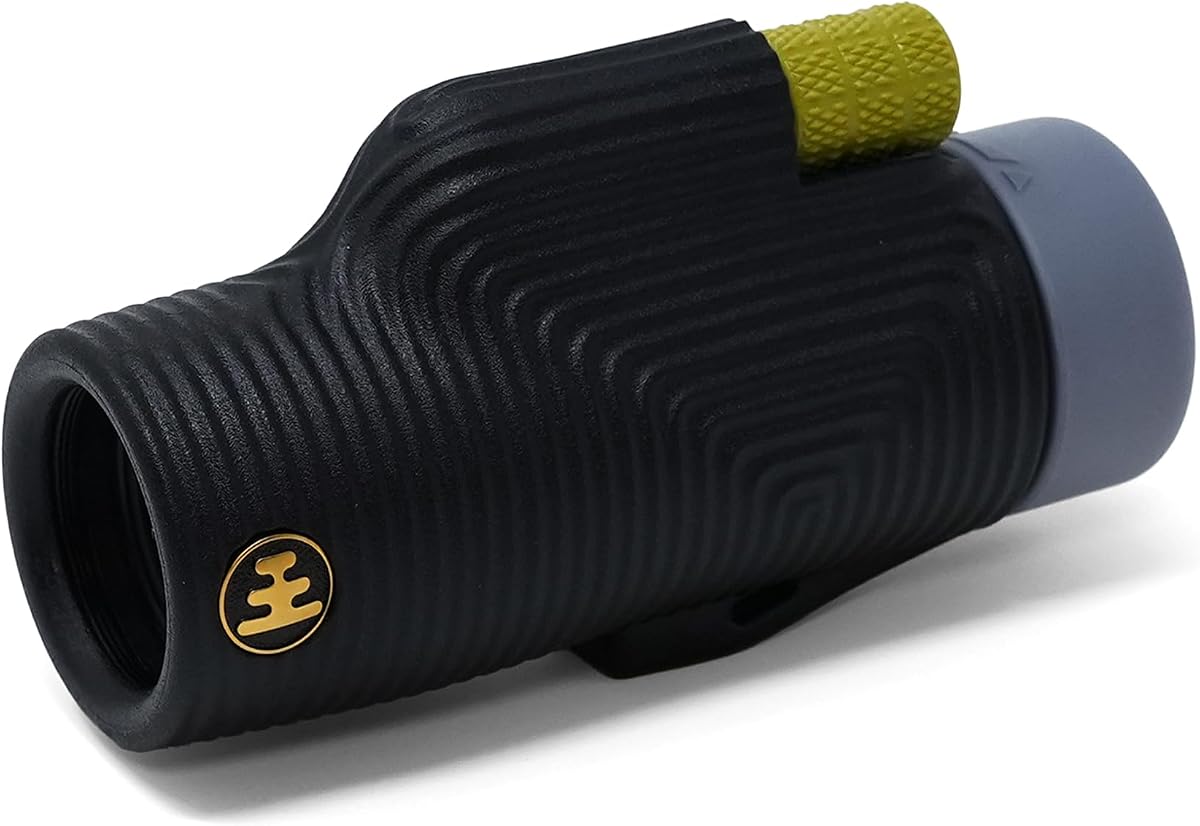
Nocs Provisions Zoom Tube 8×32 Monocular
4.6Editor score
Lightweight and compact design
Fully multi coated optics
Water resistant IPX4 rating
This guide compares the top ten birding monocular options to help you choose the best compact optical tool for wildlife viewing and outdoor adventures.
Birding monoculars offer a lightweight alternative to binoculars for nature enthusiasts. They provide clear views while remaining compact enough to fit in pockets or small bags during hikes.
We evaluated ten models based on optical clarity, build quality, and portability. Our analysis focuses on how each unit performs in real-world scenarios for bird watchers and travelers.
Each pick highlights specific strengths like waterproofing or tripod compatibility. Prices and availability change frequently, so check current listings before making your final decision today.
4.6Editor score

4.6Editor score
4.6Editor score
This table summarizes key specifications for each model to help you compare options side by side quickly.
This monocular delivers excellent value for bird watchers seeking portability. It features fully multi coated optics for bright images.
We may earn a commission when you buy through this link, at no additional cost to you.
The Swiss designed Bak4 prism ensures a wide field of view. The ergonomic grip keeps it stable in your hand.
While it lacks variable zoom, the fixed 8x is ideal for most birding scenarios. The water resistance handles light rain well.
Choose this if you need a reliable tool for hiking or travel. It balances performance and size effectively.
Anti reflective coatings reduce glare for sharper images.
Scratch proof housing protects the lens system from drops.
We may earn a commission when you buy through this link, at no additional cost to you.
This model stands out for its versatility in outdoor settings. It offers crisp views suitable for detailed bird identification.
We may earn a commission when you buy through this link, at no additional cost to you.
The multi stop twist eyecup accommodates eyeglass wearers easily. You can also mount it on a tripod for steady shots.
Some users may find the lack of a protective case inconvenient. The optics perform best in daylight conditions.
It is a strong choice for backpackers who need compact gear. The lifetime warranty adds peace of mind.
Threaded adapter allows for stable long duration viewing.
Central focusing system provides quick adjustment capabilities.
We may earn a commission when you buy through this link, at no additional cost to you.
This premium option delivers top tier optical performance for enthusiasts. It is designed for frequent use in varied weather.
We may earn a commission when you buy through this link, at no additional cost to you.
The rugged housing protects internal components from impact. The prism system ensures color clarity across the field.
Investing more upfront gets you better build quality and support. The lack of zoom limits some specific viewing scenarios.
Ideal for serious birders who prioritize durability and clarity. The brand commitment to nature aligns with outdoor values.
Impact resistant materials ensure long term reliability.
Multiple coating layers enhance brightness and contrast.
We may earn a commission when you buy through this link, at no additional cost to you.
This unit offers a straightforward solution for casual bird watching. It provides adequate magnification for general use.
We may earn a commission when you buy through this link, at no additional cost to you.
The compact design fits easily into a jacket pocket. Focusing is intuitive for beginners.
Optical clarity may not match higher end models in low light. Build materials are functional but not rugged.
Choose this if budget is the primary concern. It serves well for short outdoor trips.
Lower cost entry point for new birders.
Minimal bulk allows for easy transport.
We may earn a commission when you buy through this link, at no additional cost to you.
This model introduces variable zoom for flexible viewing distances. It balances versatility with standard monocular features.
We may earn a commission when you buy through this link, at no additional cost to you.
The rubberized grip improves handling stability. Housing feels robust against minor bumps.
Zoom functionality adds weight which may affect portability. Focusing mechanisms require practice for smooth operation.
Recommended for users needing range adjustment. It suits varied terrain environments.
Adjustable magnification helps track moving birds.
Texture provides secure hold in wet conditions.
We may earn a commission when you buy through this link, at no additional cost to you.
This option comes with essential accessories for immediate use. Optical quality is clear for daytime birding.
We may earn a commission when you buy through this link, at no additional cost to you.
The foldable eyecup adapts to different users quickly. Lens cap protects the front element effectively.
It lacks the ruggedness of premium models. Accessories add value but do not enhance performance.
Good for beginners needing a ready to use set. It covers basic needs efficiently.
Strap and cap reduce need for extra purchases.
Lens quality supports accurate color viewing.
We may earn a commission when you buy through this link, at no additional cost to you.
This model emphasizes extreme portability for travel. It fits in small bags without adding bulk.
We may earn a commission when you buy through this link, at no additional cost to you.
Glass lenses provide reasonable clarity in daylight. The included case offers basic protection.
Housing is thin which may limit long term durability. Low light performance is limited.
Best for casual observers prioritizing size. It is easy to carry everywhere.
Size makes it ideal for backpacking.
Case shields optics from scratches during transport.
We may earn a commission when you buy through this link, at no additional cost to you.
This unit provides a wide field to spot birds easily. Anti glare coatings improve image contrast.
We may earn a commission when you buy through this link, at no additional cost to you.
Diopter adjustment accommodates vision differences. Soft touch finish feels pleasant in hand.
Magnification is standard for general use. Build is not designed for heavy outdoor abuse.
Suitable for park visits and casual viewing. It offers good visual coverage.
Wide angle helps scan large areas quickly.
Finish reduces hand fatigue during use.
We may earn a commission when you buy through this link, at no additional cost to you.
This model uses a classic metal design for durability. It feels solid in the hand.
We may earn a commission when you buy through this link, at no additional cost to you.
Metal construction adds weight but provides strength. It offers a traditional aesthetic.
Modern optical coatings may be absent. Heavier weight affects portability.
Good for those preferring metal construction. It holds up well to handling.
Metal body resists dents and impacts.
Classic style appeals to traditional users.
We may earn a commission when you buy through this link, at no additional cost to you.
This is the most affordable option on the list. It offers basic magnification for beginners.
We may earn a commission when you buy through this link, at no additional cost to you.
Plastic housing keeps weight to a minimum. Focus is centralized for easy use.
Optical quality is limited compared to higher models. Durability may suffer under rough use.
Choose this only for occasional use. It is a budget entry point.
Lowest price option available in the market.
Fits easily into small pockets.
We may earn a commission when you buy through this link, at no additional cost to you.
This model combines rubber armor with glass optics. It provides decent protection for the lenses.
We may earn a commission when you buy through this link, at no additional cost to you.
The pouch offers basic storage for transport. Fixed magnification simplifies operation.
Performance remains average compared to modern options. Weight may be a factor.
Suitable for very simple tasks. It is a basic tool for viewing.
Rubber armor shields the body from bumps.
Pouch allows for safe transport.
We may earn a commission when you buy through this link, at no additional cost to you.
Selecting the right monocular requires understanding your specific viewing needs and budget constraints.
Higher magnification brings distant birds closer but can make the image shaky. Standard 8x or 10x is ideal for most birders.
Look for 8x magnification to balance stability and detail.
Larger lenses gather more light for brighter images in dim conditions. Common sizes range from 25mm to 42mm.
Choose a 32mm lens for good light collection without bulk.
Multi coated lenses reduce glare and improve clarity. Fully multi coated optics ensure better light transmission.
Prioritize fully multi coated optics for clear viewing.
A wider field of view helps track moving birds easily. Look for measurements in feet at 1000 yards.
Select a model with a wide field of view.
Weather resistant construction ensures reliability in rain or fog. IPX4 rating or higher is recommended.
Opt for IPX4 water resistance for safety.
Lightweight monoculars reduce fatigue during long hikes. Compact sizes fit in pockets for easy access.
Choose lightweight options under 10 ounces.
Comfortable grips prevent slipping and ensure stable viewing. Ergonomic designs reduce hand strain.
Look for a textured rubber grip.
Threaded adapters allow mounting for steady viewing. This helps in high magnification scenarios.
Check for a built-in tripod adapter.
Start by adjusting the focus wheel until the image is sharp. Center the monocular on your eye for best results.
Store it in a dry place to prevent lens damage. Use the provided lens cap when not in use.
Clean the lenses with a soft cloth to avoid scratches. Avoid using harsh chemicals on the optics.
Binoculars use two lenses for stereoscopic vision while monoculars use one. Monoculars are lighter and more compact for easy carrying.
Yes monoculars are excellent for bird watching due to their portability. They provide clear views without the bulk of binoculars.
Monoculars with larger objective lenses work better in low light. Look for models with good coatings for dim conditions.
Absolutely monoculars are ideal for travel as they fit in pockets. They provide convenience without taking up much space.
Use a soft microfiber cloth to wipe the lenses gently. Avoid using water or chemicals that might damage the coatings.
Many models feature water resistance but not all are fully waterproof. Check for IPX ratings to ensure suitability for rain.
We recommend the Nocs Provisions Zoom Tube for its balance of optics and portability. It serves most birders well across various environments.
Prioritize waterproofing and optical coatings for long term reliability. These features ensure consistent performance in changing weather.
Check current pricing and availability before purchasing to confirm details. Options may vary by region and retailer.